
Balancing Survey Incentives: A Guide to Unbiased Research in Nigeria


Human behavior is driven by value. In a fast-paced economy like Nigeria’s, where time is literally money, asking someone to spend 20 minutes answering questions about laundry detergent requires a fair exchange. Survey incentives serve as this exchange. They acknowledge the participant’s effort and compensate them for their data.
However, the psychological impact of these rewards is complex. If a reward is too small, the participant feels undervalued and may provide rushed, “low-effort” answers just to finish. Conversely, if survey incentives are disproportionately high, such as offering ₦10,000 for a 2-minute task, you attract “professional survey takers” who aren’t interested in the questions, only the payout. This creates a “gold rush” effect where honesty is sacrificed for speed.
2. How Improperly Priced Survey Incentives Introduce Bias
Bias is the silent killer of market research. When your survey incentives are not calibrated correctly, you introduce thr ee main types of bias that can lead to multi-million Naira business mistakes:
-
Acquiescence Bias: This happens when participants “agree” with everything in the survey because they believe that being positive will guarantee their payout. They tell you what they think you want to hear to secure the reward.
-
Selection Bias: If your reward is only accessible via high-end digital gift cards, you unintentionally exclude a massive demographic of Nigerians who prefer direct airtime or bank transfers. This skews your data toward a specific social class.
-
Strategic Responding: This is the most dangerous. If participants realize that certain demographic answers (like “I own a car” or “I am a parent”) lead to higher-paying follow-up questions, they will lie about their life circumstances to trigger more survey incentives.
3. Best Practices for Setting Incentive Prices
To get the best results, Nigerian researchers must look at survey incentives through the lens of “Fair Market Value.” Here is how to structure them for the local landscape:
-
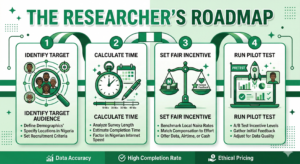
The “Naira-per-Minute” Rule: Calculate the average hourly wage of your target demographic. Your incentive should reflect a fair portion of that for the time spent. For general consumers, a reward that covers the cost of the mobile data used plus a small “thank you” bonus is often the most effective.
-
Uniformity Over Complexity: Never offer different survey incentives based on the content of the answers. Whether the user likes the product or hates it, the reward must remain the same to ensure neutrality.
Pilot Your Pricing: Before spending ₦500,000 on a national campaign, run a pilot with 50 people. Monitor the “completion time.” If the average time is 10 minutes but people are finishing in 3, your survey incentives might be too high, causing people to skip through without reading.
4. Using Opinion Padi to Standardize Research Quality
Managing survey incentives manually is a logistical nightmare. Between verifying identities and processing hundreds of ₦200 bank transfers, a researcher can lose focus on the actual data. This is where Opinion Padi becomes an essential partner.
The platform is designed to automate the ethical distribution of survey incentives. By using a centralized wallet system, Opinion Padi ensures that:
-
Payouts are Instant: Participants are more likely to provide honest, thoughtful answers when they trust that their reward will be delivered immediately upon successful completion.
-
Fraud is Filtered: The platform uses advanced algorithms to detect “speeders” and “repeaters,” ensuring your survey incentives are only going to unique, high-quality respondents.
-
Tiered Access: Opinion Padi allows researchers to set specific criteria. This ensures the reward is being given to the right person, reducing the “Selection Bias” mentioned earlier.
For example, a researcher looking into the “japa” trend might set specific survey incentives for university graduates. Opinion Padi ensures that only those who fit the profile can access the task, protecting the research budget from being wasted on irrelevant data.
5. The Future of Survey Incentives in Nigeria
As Nigeria moves further into a digital-first economy, the way we handle survey incentives will continue to evolve. We are seeing a shift away from “cash-only” rewards toward more versatile options like data bundles, utility bill credits, and even micro-insurance vouchers.
The goal remains the same: Respect the participant’s time without bribing their opinion. By utilizing a platform like Opinion Padi, researchers can strike this balance perfectly, turning survey incentives from a potential source of bias into a powerful tool for truth.

Conclusion: Trust the Process, Trust the Data
Incentives are more than just a payment; they are a bridge between a brand and its consumers. When you value that bridge by providing fair, transparent, and well-managed survey incentives, the data you receive will be the foundation of successful business decisions.
Ready to take the guesswork out of your research? Start your next project on Opinion Padi and see how a professional approach to survey incentives can transform your results.
FAQs
-
Q: What is the average rate for survey incentives in Nigeria?
-
A: It varies by length, but usually ranges from ₦200 for quick polls to ₦2,500+ for deep-dive consumer studies.
-
-
Q: Can I offer non-cash rewards?
-
A: Yes! Data bundles and airtime are often highly valued survey incentives in the Nigerian market because they provide immediate utility.
-
-
Q: How does Opinion Padi prevent people from taking the same survey twice?
-
A: The platform uses device fingerprinting and unique account verification to ensure that each person only receives the survey incentives once, maintaining data purity.
-
Related Posts

The Incentive Paradox: How Incentive Size Changes Feedback Quality
In the world of Nigerian side hustles, the rule is usually “the higher the pay, the better the job.” But […]
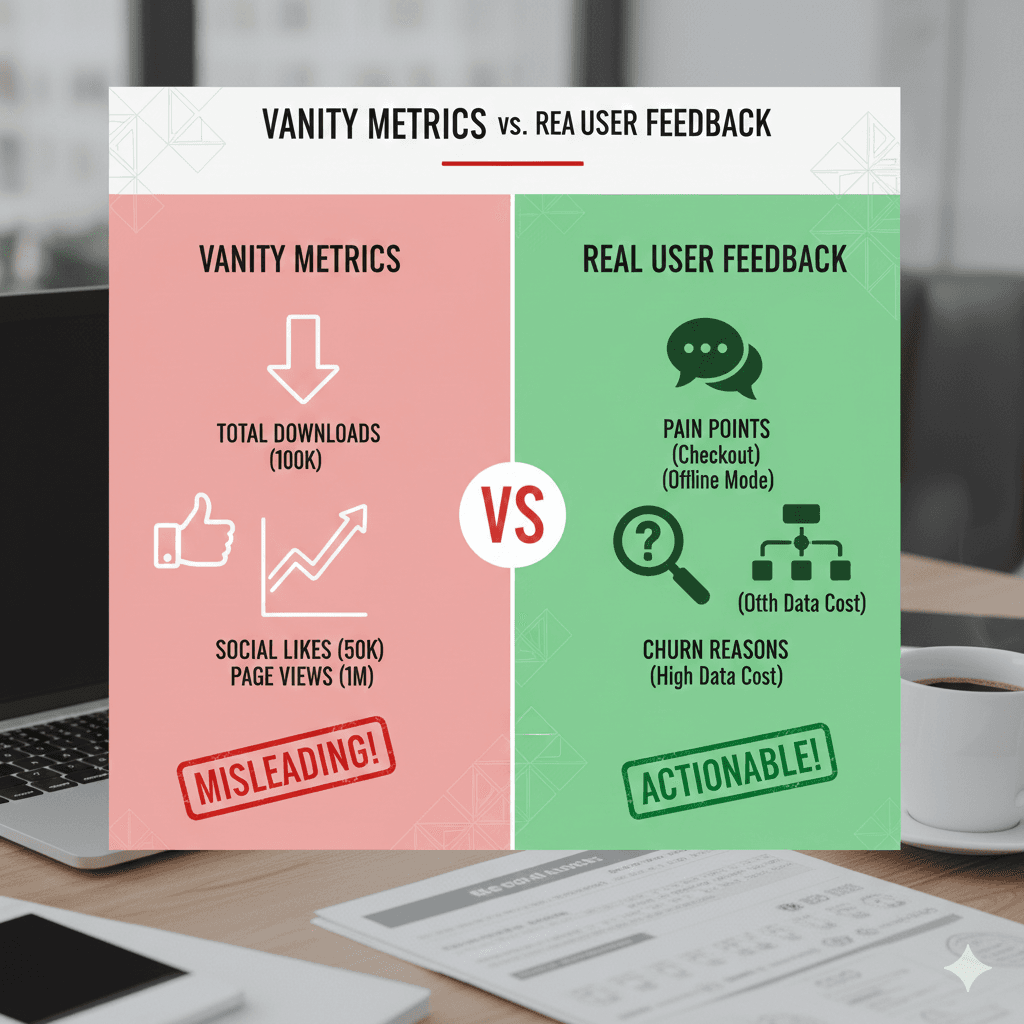
What Real User Feedback Looks Like Versus Vanity Metrics
Early-stage founders in Nigeria often celebrate the wrong milestones. It is easy to get excited when you see 10,000 app […]
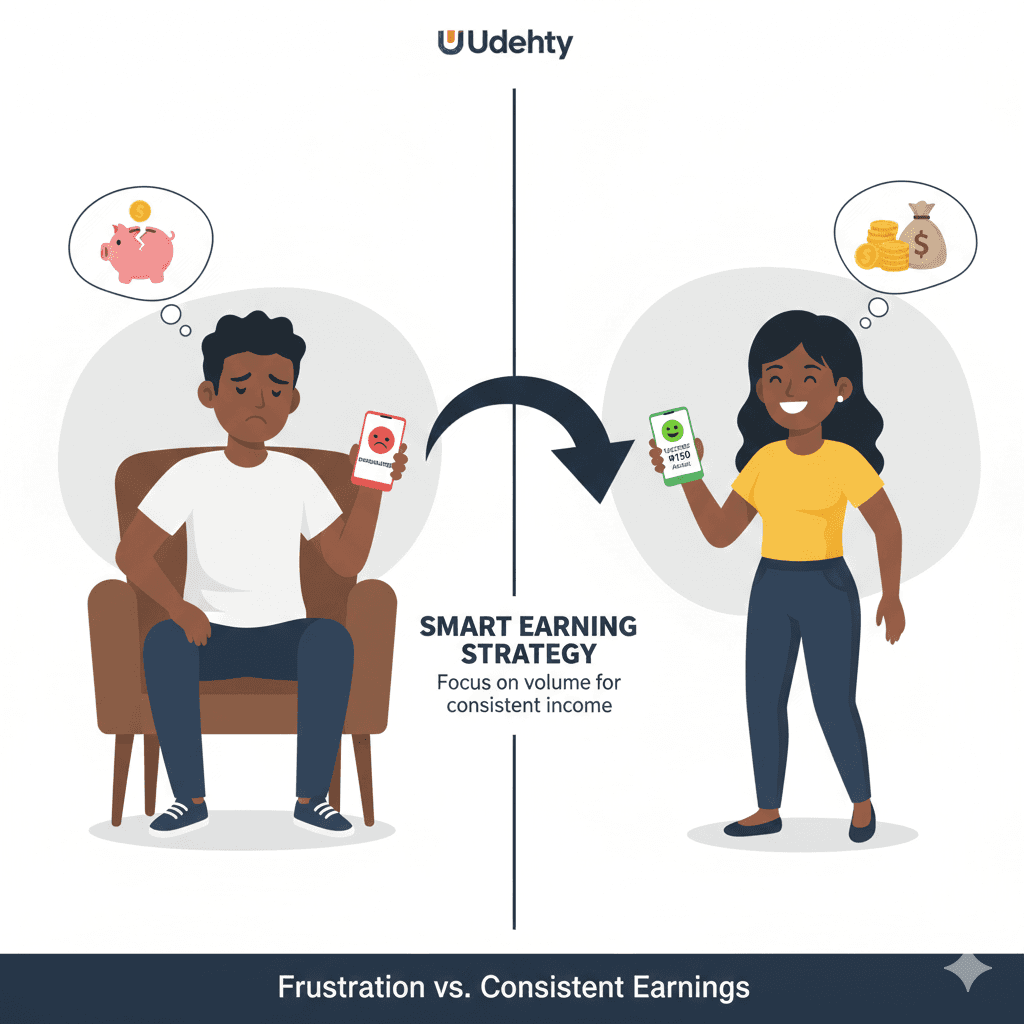
User Feedback for Startups: The Secret to Improving Retention
In the fast-paced Nigerian tech ecosystem, getting a user to download your app is only the beginning of the […]